
Stay Safe with Your Pup: Understanding Microplastics and Kibble Storage
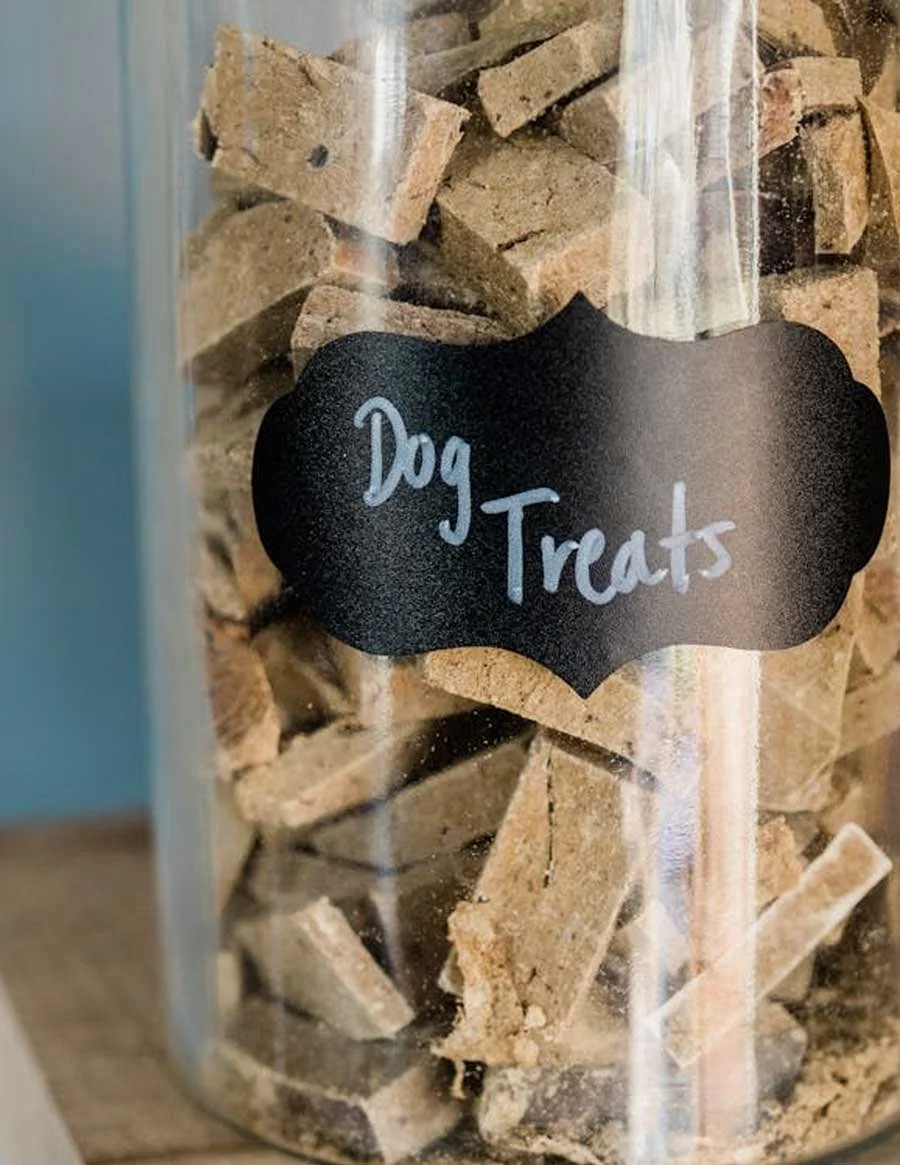
Everyone is talking about microplastics these days, and for good reason! With 67 million homes in America owning pets, it's essential to address how we store their food. Did you know that approximately 75% of pet owners feed their pet kibble, and out of those, 43.5% store it in plastic containers? Keep reading to learn about safe plastic containers, better alternatives, and how to avoid those pesky plastic byproducts seeping into your dog's food.
Let’s start with a quick lesson about something many pet owners might not realize: when kibble is produced, it is extruded and then sprayed with a variety of oils. These oils often serve as flavor enhancers or vitamins that fulfill nutritional requirements. However, we all know that oil tends to leave residues, and plastic containers are no exception!
Once you open a bag of kibble, those oils begin to oxidize, turning rancid over time. When you transfer kibble into a plastic bin, those oils cling to the container's sides and can penetrate the plastic, leading to rancidity that mingles with harmful chemicals present in the plastic. Imagine the layers of rancid oil that could have accumulated over the years with repeated refills!
Did you know that dogs can detect rancidity much sooner than we can? Within about two weeks of opening a bag, your dog may taste the difference. Pet food should ideally be consumed within one month after opening. If that's challenging, consider purchasing smaller bags or dividing the food for storage in the freezer.
To ensure your dog enjoys fresh kibble, we recommend investing in a food-grade container marked with recycling symbols 5, 2, or 4. Always store the kibble in its original bag, inside the food-safe container. This additional layer of protection can significantly enhance the freshness and safety of your dog's food.
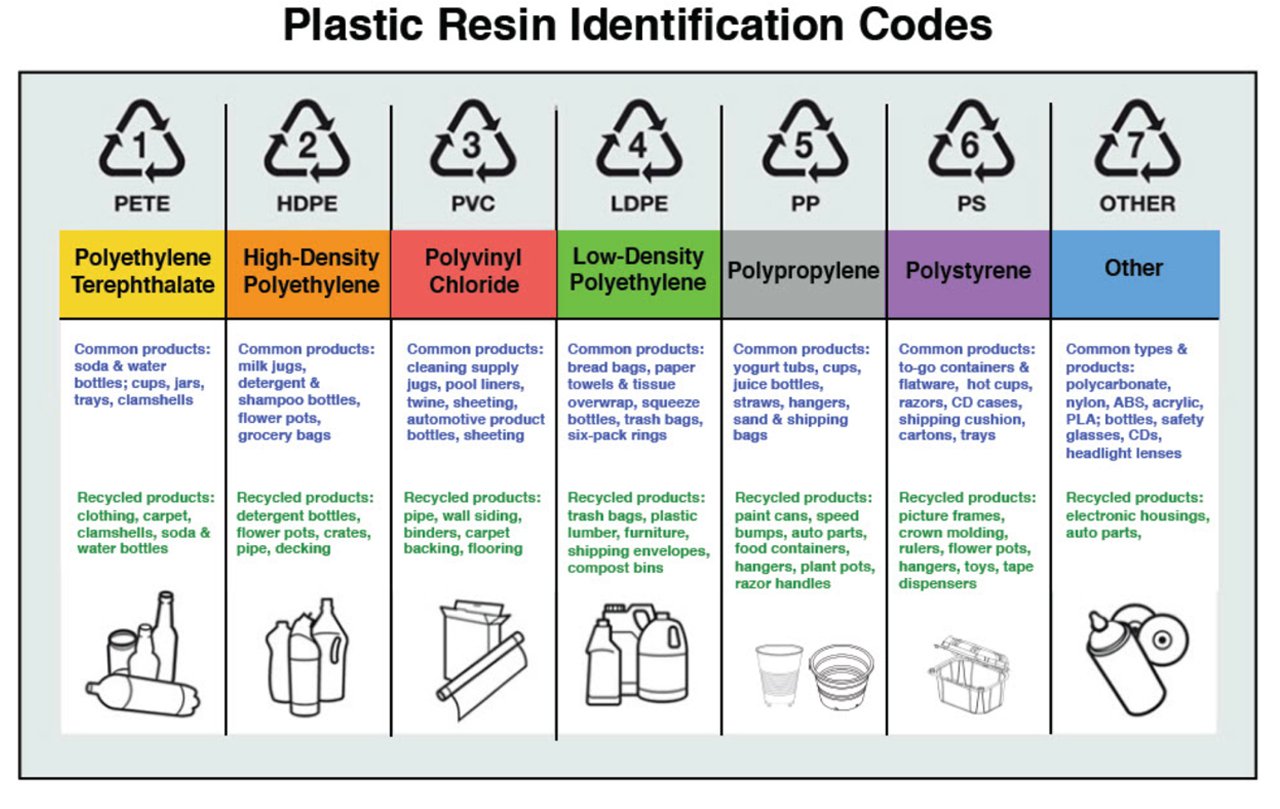
To keep your dog's food safe, it's crucial to understand plastic ratings:
- 1 (PET or PETE): Generally safe for single-use bottles, but can harbor bacteria if reused.
- 2 (HDPE): The best option! High-Density Polyethylene is safe and commonly used for food-grade containers.
- 3 (PVC): Not recommended for food storage as it may contain harmful additives.
- 4 (LDPE): Safe and flexible, often used in food storage bags.
- 5 (PP): Another excellent choice; polypropylene is heat resistant and safe for food containers.
- 6 (PS): Polystyrene can leach toxins when heated and should be avoided.
- 7 (Other): This includes materials that often contain BPA, and it's best to steer clear of them for food storage.
By taking these small steps, you can help protect your dog's health and ensure their meals are safe and delicious.