Understanding Canine Cancer and Supporting Our Dogs
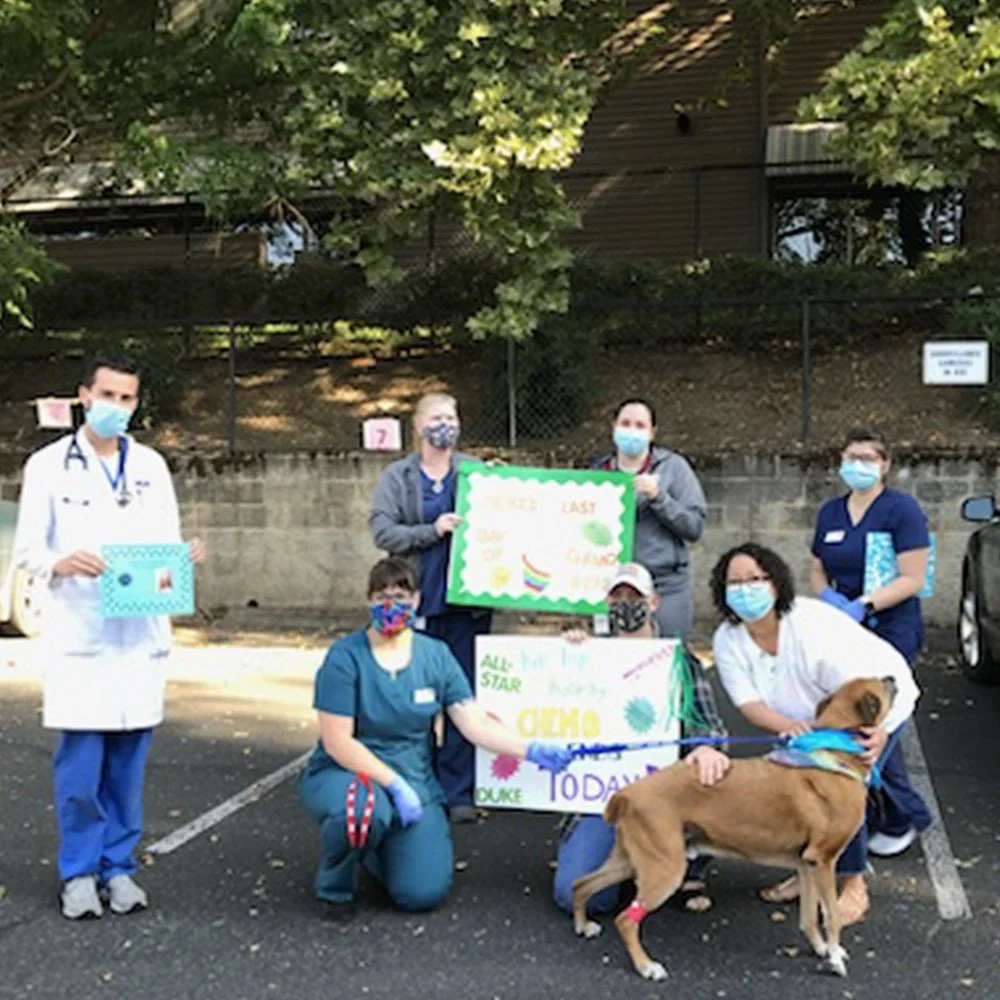
Did you know that 1 in 4 dogs in America will develop cancer at some point in their lives? This statistic is even more concerning for our senior dogs, as the risk rises to 50% for those over the age of 10. With these staggering numbers in mind, we want to dedicate space to discussing the signs of cancer in your pup and how you can support them through this challenging journey.
Early detection is our best defense against cancer. By maintaining a clean lifestyle and considering immune modulating and antioxidant supplements, you can help support your dog’s health. However, nothing is as powerful as recognizing the signs early on. The sooner you can detect cancer, the greater the chances of successful treatment and recovery.
Watch for these warning signs in your dog:
New or growing lumps and bumps
Unexplained weight loss
Persistent sores
Lethargy
Chronic coughing or difficulty breathing
Lameness
Changes in appetite
Alterations in bathroom habits
Trust your instincts; you know your dog better than anyone else! I recall a situation with my otherwise healthy dog, who unexpectedly vomited one day. Trusting my instincts led me to take him to the vet, where we discovered a mass on his kidney. It turned out to be cancerous, requiring a nephrectomy. Early action saved his life.
Once a cancer diagnosis is confirmed, your veterinary team will help guide you through treatment options, often referring you to an oncology specialist. Veterinary oncology is a rapidly evolving field, having developed significantly in the last 35 years in response to the rising rates of cancer diagnoses in pets.
An oncologist will review various treatment options with you, including surgery, radiation, chemotherapy, and monoclonal antibody therapies. Each of these treatments plays a role in managing your dog’s condition.
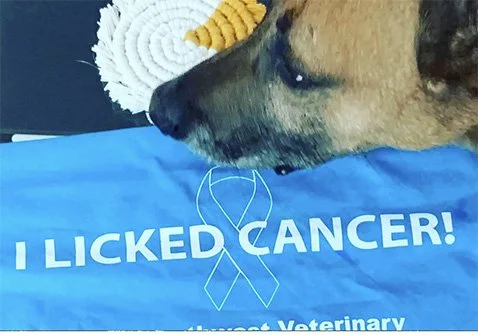
In the past decade, the integration of Eastern and Western medicine has gained momentum in veterinary care. Incorporating whole foods and supplements to support your dog’s body during treatment has shown promise. For instance, Turkey Tail has been FDA-approved for its cancer-fighting properties, while Milk Thistle can aid in cognitive health and liver support during chemotherapy.
Including an overall immune support supplement in your dog's diet is vital, especially during treatment when they are receiving “maximum tolerated dosages” of medication. Common immune system modulators like Vitamin D, Ashwagandha, cannabinoids, and Wei Qi Booster from Jing Tang Herbal can provide crucial support for your pet’s health.
We cannot stress the impact of a nutritious diet on your dog's health enough. While kibble is the conventional choice for many pet owners, it’s vital to be aware that kibble, especially when processed at high temperatures, can contain harmful levels of acrylamides, a substance linked to cancer. By adding fresh, whole foods to your dog's bowl, you can supply them with crucial antioxidants that may help combat cancer cell development.
Cancer is a devastating disease that has plagued humans for years. We've seen significant advancements in treatment thanks to research and billions in funding, which have shown the benefits of eating clean, whole foods, staying active, and prioritizing early detection. It’s no wonder these issues are now affecting our pets.
As you embark on this journey of healthier living, consider how your dog might also benefit from adopting a healthier lifestyle. Small changes can lead to profound impacts on their well being.
Through my own journey and research, I have discovered invaluable resources, including papers, books, and mentors, that have shaped my understanding and influenced the insights shared in this article.
Here are just a few:
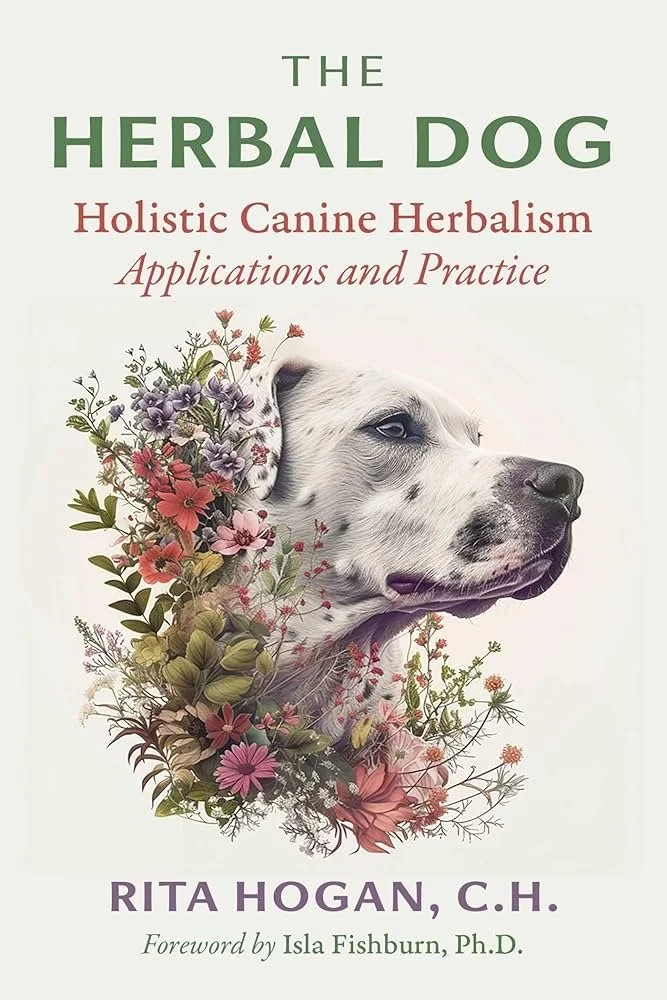
Hogan, Rita. The Herbal Dog: Holistic Canine Herbalism. C.H.
Silver, Dr. Robert. There is a Mushroom for That!
Becker, Dr. Karen, and Rodney Habib. The Forever Dog: Surprising New Science to Help Your Canine Companion Live Younger, Healthier, and Longer.
- Jakie