
Understanding Foxtails: Keeping Your Dog Safe
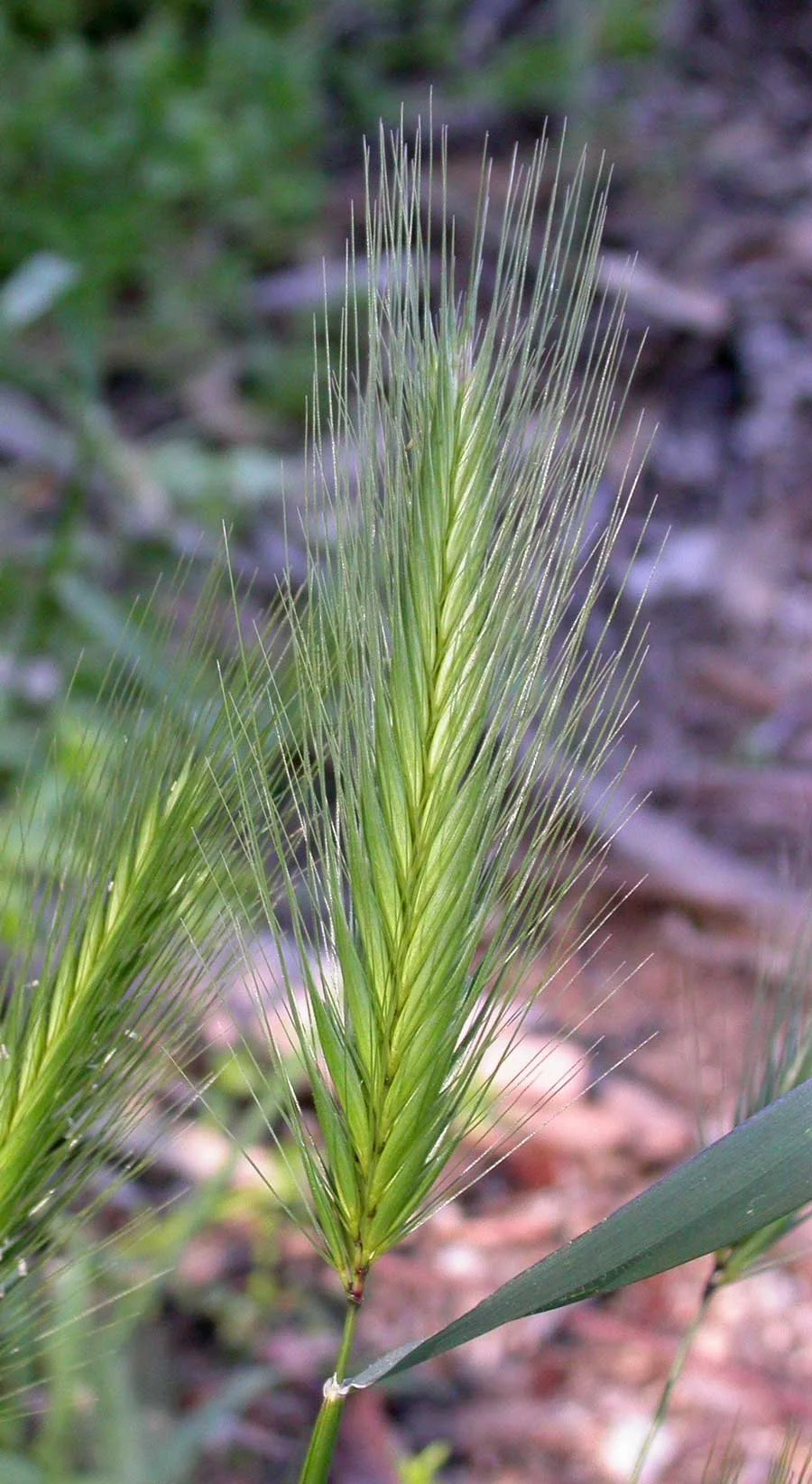
Dealing with foxtails can be a challenge, and for those who have faced it, the importance of swift and proper treatment is well understood. Foxtails are spikelets or clusters of grass that serve to disperse their seeds, and while they may seem harmless, they can pose serious health risks for dogs, cats, and other domestic animals, as well as create nuisances for people.
These troublesome seeds can become lodged in various parts of a dog’s body, with common entry points including the paws, ears, nose, eyes, and skin. When foxtails get stuck between a dog’s toes, you might notice obsessive licking, limping, or swollen, red bumps. They can become deeply embedded in the ears, leading to constant head shaking, tilting the head to one side, or scratching at the ear. If a foxtail is inhaled while your dog is sniffing around, it may result in sudden and violent sneezing fits, pawing at the nose, or nasal discharge sometimes accompanied by blood. When trapped under the eyelids, foxtails can cause squinting, excessive tearing, redness, or pawing at the face. Additionally, burs can cling to your dog’s coat and penetrate the skin, leading to non-healing wounds, lumps, or foul-smelling discharge.
If you suspect that your dog has a foxtail, it’s essential to act quickly. Never attempt to remove a foxtail on your own, especially if it is deeply embedded. While you may be able to remove a seed that is on the surface of the fur or between the toes using tweezers, deeper cases or those involving the eye, ear, or nose require immediate veterinary attention. Since foxtails do not break down or work their way out naturally, they are considered a medical emergency. Once embedded, they can cause infections and will continue to move until surgically removed or until they cause serious internal damage.
Foxtails are particularly prevalent in Washington state due to a mix of native and introduced grass species that thrive in the Pacific Northwest's wet springs and hot, dry summers. They produce thousands of barbed seeds designed to spread effortlessly on the wind, clothing, or passing animals.

You don’t need to be in a rural field or on a hiking trail to encounter foxtails. Be vigilant in common urban spots, such as roadsides and sidewalks, where they grow in dirt strips between the street and the sidewalk or against fences and utility poles. City parks often have pockets of unmanaged grass, especially near the edges of treelines or along paved walking paths. Vacant lots can also harbor open or unlandscaped areas filled with dry, overgrown weeds. Even your own yard can become a breeding ground for foxtail grasses if it is left unwatered or unmanaged.
These physical barbed seeds begin burrowing and migrating through a dog's tissue almost immediately, often causing visible irritation or complications within three to ten days of entry. On windy days, foxtails can travel several miles, making it crucial to keep them on your radar from May through October.
By staying informed and vigilant about potential foxtail encounters, you can help ensure your dog's safety. If you notice any warning signs or suspect your dog may have a foxtail, do not hesitate to seek professional help right away. Keeping our dogs healthy and happy is our top priority!
Source: https://www.google.com/search?client=safari&rls=en&q=petmd+foxtails&ie=UTF-8&oe=UTF-8