Healthy Coat: Understanding Your Dog's Unique Fur
Just like humans, dogs come with a dazzling variety of coats, each requiring its own special care. Understanding these differences is essential for keeping your dog healthy and happy.
Let’s take a closer look at the different types of dog coats and how to care for them.
1. Short / Smooth Coat: These coats lie flat against the skin, require minimal maintenance, and shed very little (think Beagles, Boxers, and Greyhounds). A simple brush now and then keeps them looking sleek!
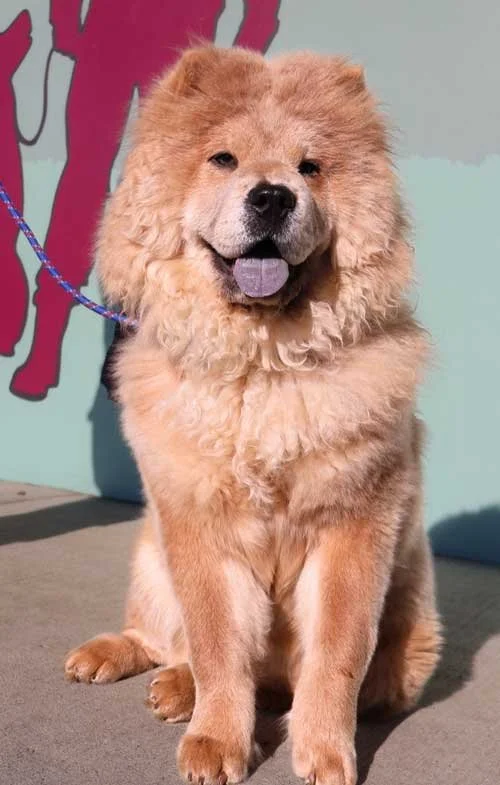
2. Double Coat: Featuring a soft, dense undercoat for insulation and a coarser outer coat for weatherproofing, double coats are seen in breeds like Siberian Huskies, German Shepherds, and Golden Retrievers. Regular grooming is crucial; without it, skin issues like hot spots can develop.
3. Long / Silky Coat: Fine, continuously growing hair that demands regular brushing to prevent tangling; these coats are found in breeds like Maltese, Yorkshire Terriers, and Afghan Hounds. Think of it as a commitment to a daily beauty routine!
4. Wire / Wiry Coat: With a harsh, stiff texture, this coat type often requires hand-stripping to maintain its unique look. Breeds like Schnauzers and Wire Fox Terriers showcase the rugged charm of wiry coats.
5. Curly Coat: Tight curls or waves trap minimal dander and shed less, but they do require frequent clipping. Breeds like Poodles and Bichon Frise flaunt these charming curls that need a little extra love!
6. Corded Coat: Long fur that naturally twists into tight, dreadlock-like cords is characteristic of breeds such as Komondors and Pulis. These unique coats are as much a lifestyle choice as a grooming one!
7. Hairless: Some breeds, like the Xoloitzcuintli and American Hairless Terrier, lack a traditional coat altogether. They require special skin care to protect them from sun and cold—think of them as the fashion-forward pups who need their own SPF!
The Importance of Coat Maintenance
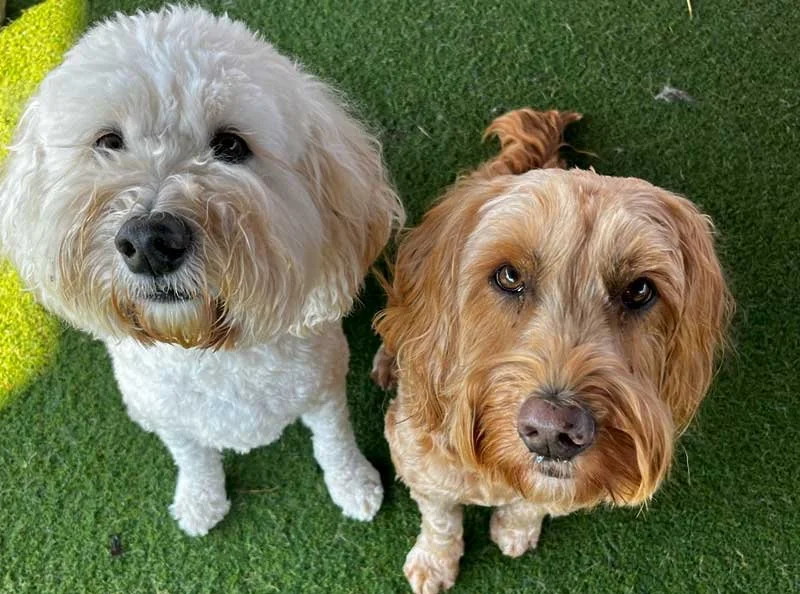
Neglecting your dog’s coat can lead to a variety of health issues. At ADBF, we believe that knowledge is power! Here are some common coat related problems and how to prevent them.
Hot Spots: These painful, red, and moist sores develop rapidly, often due to excessive scratching or licking. Double-coated dogs can be especially prone to these, as their thick fur can trap moisture and bacteria. Proper grooming is essential, especially after water play! Did you know that we use fans to dry off double-coated dogs after they have been playing in water? If you suspect your dog has a hot spot, don’t hesitate to call your vet for a proper examination.
Ear Infections: Many pet parents are familiar with ear infections, which can affect any dog, but certain breeds are more susceptible, especially those with floppy ears or hair in their ear canals. Moisture can become a breeding ground for yeast and bacteria. After a splash in the water, use a cotton ball to gently dry your dog’s ears. Regular ear cleanings are also a great preventive measure. Fun fact: Ear cleanings are included during baths here at ADBF! If you notice your dog shaking their head or scratching at their ears, consult your vet for further care.
Nutrition and Grooming: The Foundation of Health
Your dog’s skin care plays a critical role in their coat’s health. Providing high quality kibble or a minimally processed diet serves as an invisible shield against itchy, flaky skin. Additionally, incorporating an omega-3 oil supplement can significantly boost your dog’s overall health.
Maintaining a clean and well groomed dog is crucial, but don’t overlook their environment! Regularly wash their beds, blankets, leashes, and collars with white vinegar or an enzymatic cleaner to keep them fresh. We can often become "nose blind" to odors, so adding a maintenance cleaning schedule to your routine is key!