Oldies But Goodies: Caring for Our Senior Dogs

As our beloved companions age, their care requires special attention to ensure their golden years are both happy and comfortable. Let’s dive into how we can help our mature dogs age gracefully with essential facts and invaluable tips!
Fast Senior Facts
Knowing when your dog enters their senior years can help you tailor their care. Here's a breakdown based on breed size:
Giant Breeds (over 90 lbs): Approximately 6–7 years old
Large Breeds (50–90 lbs): Roughly 8 years old
Medium Breeds (20–50 lbs): Around 8–10 years old
Small Breeds (under 20 lbs): Typically 10–12 years old
Schedule Regular Veterinary Visits
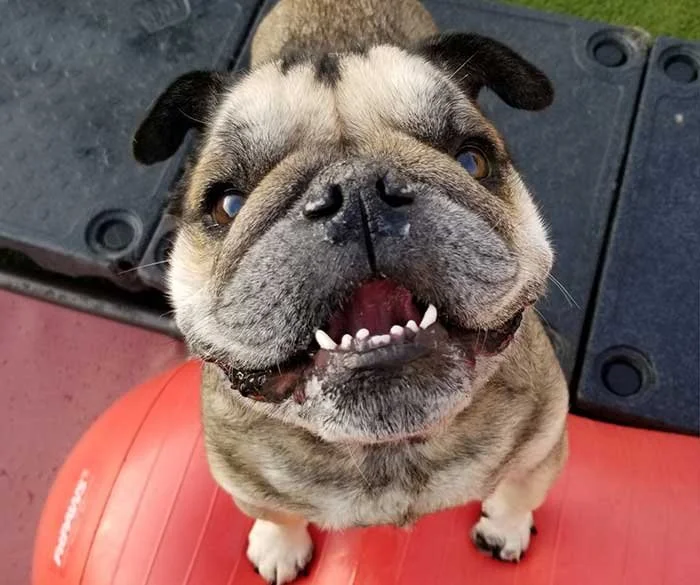
Regular veterinary check-ups are essential for senior dogs. We recommend increasing vet visits to biannually to identify any health concerns early on. Early detection plays a critical role in managing age-related ailments. Discuss with your vet any signs that may indicate your dog is in pain or discomfort, and stay vigilant for subtle changes in their behavior.
A Nutrient-Rich Diet
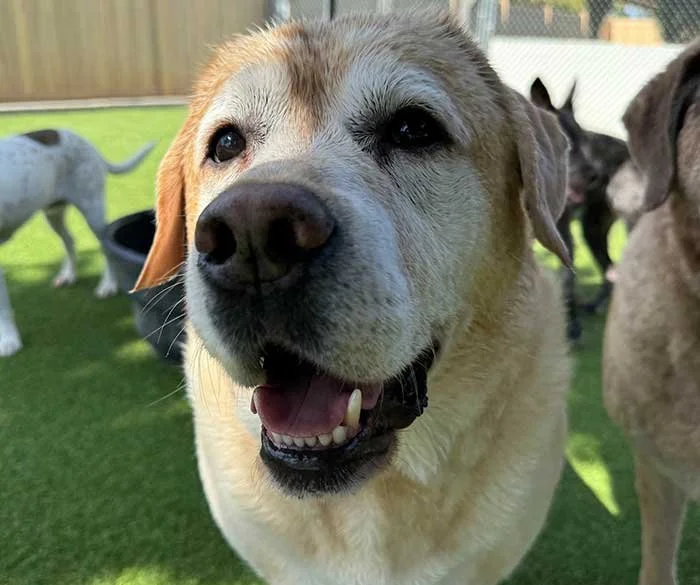
With age, a senior dog’s metabolism changes, making a well-balanced diet more crucial than ever. Focus on minimally processed foods, whole ingredients, or gently cooked meals. Since senior dogs can sleep up to 18 hours a day, they burn fewer calories and consequently require less caloric intake. In addition to a high-quality, minimally processed diet, consider incorporating a mushroom supplement into your dog’s meals. Mushrooms have been linked to various health benefits, including support for conditions such as arthritis, anxiety, cancer, and epilepsy, among others.

Joint Health Matters
As dogs age, joint pain can become a significant issue. Incorporating joint supplements can provide much-needed comfort and support. It's also vital to maintain a healthy weight to alleviate stress on their joints. Don’t hesitate to visit a local pet store and ask about their joint supplement options, including beneficial fish oil.
Staying Active
Like humans, dogs need consistent physical activity to keep their muscles and bones strong. However, it’s essential to recognize your dog's limits. Provide gentle exercise that keeps them active without overdoing it—remember, short walks or light play can be just as beneficial.
Importance of Dental Care
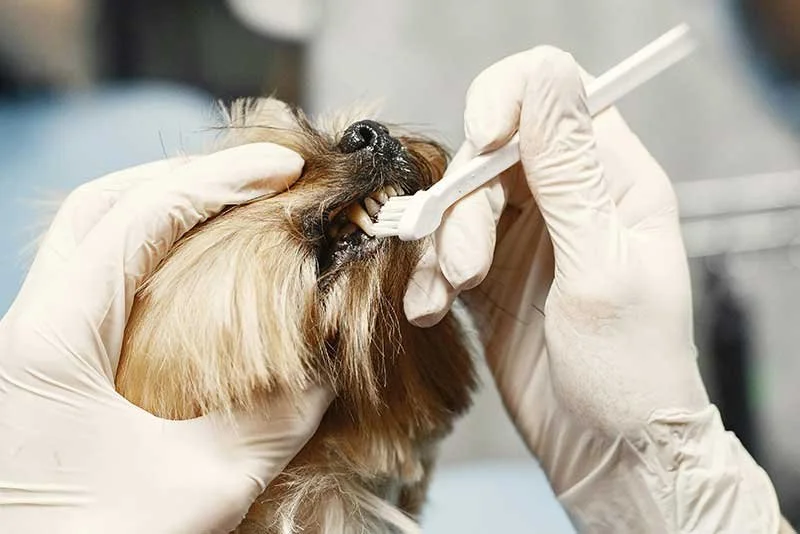
Never underestimate the impact of dental health on your senior dog’s overall well-being! Poor oral hygiene can lead to serious health issues throughout the body and cause significant discomfort. Regular dental check-ups and at-home care should be integral parts of your senior dog's routine. While professional dental cleanings are highly recommended, maintaining good dental hygiene at home is equally important.

The Social Life of Senior Dogs
Despite their tendency to snooze for long periods, senior dogs thrive on social interaction. Daycare can provide stimulating outings, even if it's just for one day a week or a half-day. Consider asking your team at ADBF for recommendations on suitable daycare options—these interactions can be both rewarding for you and beneficial for your dog.
Keep Their Minds Sharp
To combat cognitive decline as dogs age, dedicate 10 to 15 minutes a day to mental stimulation activities. Engaging puzzles, training exercises, or interactive games can help keep your dog alert and mentally active.
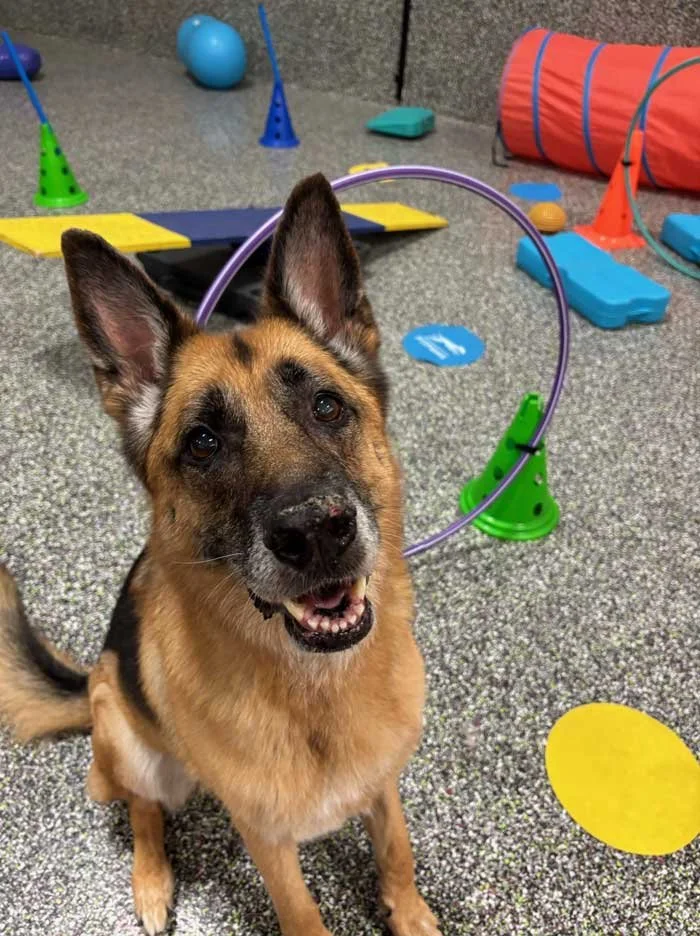
Just like in humans, older dogs can experience cognitive decline, often known as canine cognitive dysfunction syndrome (CDS) or "doggie dementia." One significant aspect of this condition is sundowning syndrome, characterized by abnormal behavior or confusion that often occurs during the evening. Symptoms may include:
Increased agitation at night
Pacing or wandering
Barking without apparent cause
Sundowning can disrupt your dog's sleep cycle, leading to restless nights for both of you. Fortunately, there are treatments available. Medications like selegiline can help enhance cognitive function, while melatonin may aid in regulating sleep patterns. Always consult your veterinarian for tailored treatment options that suit your dog’s unique needs, as some medications can worsen symptoms.
Cherish your "oldies but goodies” and dedicate yourself to giving your senior dog the love, care, and attention they deserve. With increased focus, we can ensure their twilight years are as joyful and fulfilling as possible.