Cancer is the Leading Disease-Related Cause of Death in Dogs
November is Pet Cancer Awareness Month
This November, we observe National Pet Cancer Awareness Month. As dog guardians, we owe it to them to be informed, vigilant and proactive when it comes to cancer, the leading disease-related cause of death in dogs.
Why awareness matters for dogs
Dogs are susceptible to many of the same types of cancer we see in humans, including skin, bone, oral, bladder and lymphoma. Because cancer behaves differently in dogs, early detection and tailored care are vital. According to VCA Pet CancerCare Alliance, pets can now receive advanced, individualized oncology care much like humans. That means more options, better quality of life and often more time.
What dog-owners can watch for
Awareness begins at home. Some red flags for canine cancer:
New or changing lumps or bumps
Unexplained weight loss, decreased appetite or energy
Persistent lameness, coughing or difficulty breathing
Changes in bathroom habits, bleeding, oral abnormalities
If you notice anything unusual, don’t wait. Schedule a veterinary exam and ask whether further diagnostics (imaging, biopsy) are appropriate.
Prevention & lifestyle support
While not all cancers are preventable, there are lifestyle steps that help. Some changes to make now that are helpful in prevention:
· Feeding a nutrient-dense diet
· Maintaining a healthy weight
· Minimizing exposure to carcinogens
· Staying current on wellness exams
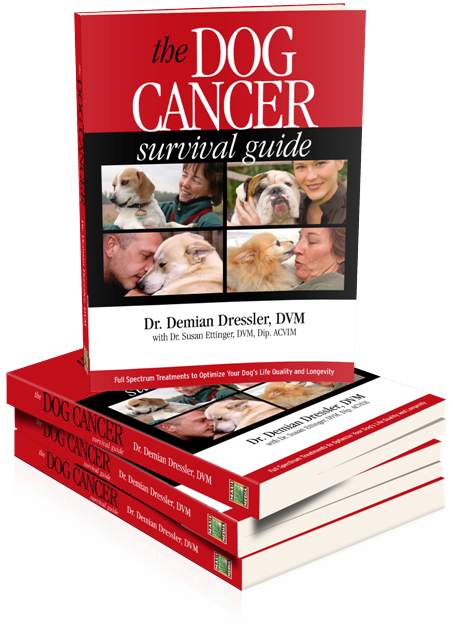
In The Dog Cancer Survival Guide, the authors describe how diet tailored for a dog with cancer supports healthy cells and discourages tumor growth. For example, lean proteins, low-glycemic carbs, high omega-3 fats, and avoiding highly processed foods.
Treatment & quality-of-life considerations
If a diagnosis arrives, remember, cancer is no longer always a death sentence for dogs. The VCA alliance highlights advanced treatments (surgery, radiation, chemo, targeted therapies) designed to maintain comfort and quality of life.
Meanwhile, resources like DogCancer.com provide in-depth information for dog parents on treatment options, decision making, and holistic support. Your role as guardian is to partner with your veterinarian/oncologist, ask questions, weigh options (cost, benefits, side-effects, dog’s personality/age) and keep your dog’s best interests front-and-center.
What you can do this November
Spread awareness among friends, dog groups, on social media — share warning signs, prevention tips, treatment hope stories.
Schedule or promote annual wellness exams and skin checks for older dogs.
Review your dog’s diet and weight status; talk with your vet about nutrition, especially if you suspect health issues.
If diagnosed or battling cancer: keep detailed records, ask about recommended resources like The Dog Cancer Survival Guide and DogCancer.com, and focus on maximizing your dog’s comfort and happiness.
Final thoughts
Cancer in pets is a serious topic — but with awareness, early detection, informed care and compassion, it doesn’t have to mean hopelessness. Educate yourself, monitor your pet’s health, maintain a healthy lifestyle and work with trusted veterinary professionals. The support networks span from clinical centers like the VCA alliance to online hubs like DogCancer.com. Whether you’re in a prevention mindset or coping with a diagnosis, you’re not alone — there are resources, whole life-care approaches and communities that understand what you and your pet are going through.
By raising awareness and taking action, we help ensure our beloved animals have the best possible chance of a full, comfortable life even when cancer is part of the equation.