
You Actually CAN Teach an Old Dog New Tricks!
The idea that “you can’t teach an old dog new tricks” is a myth, you absolutely can train an old dog!
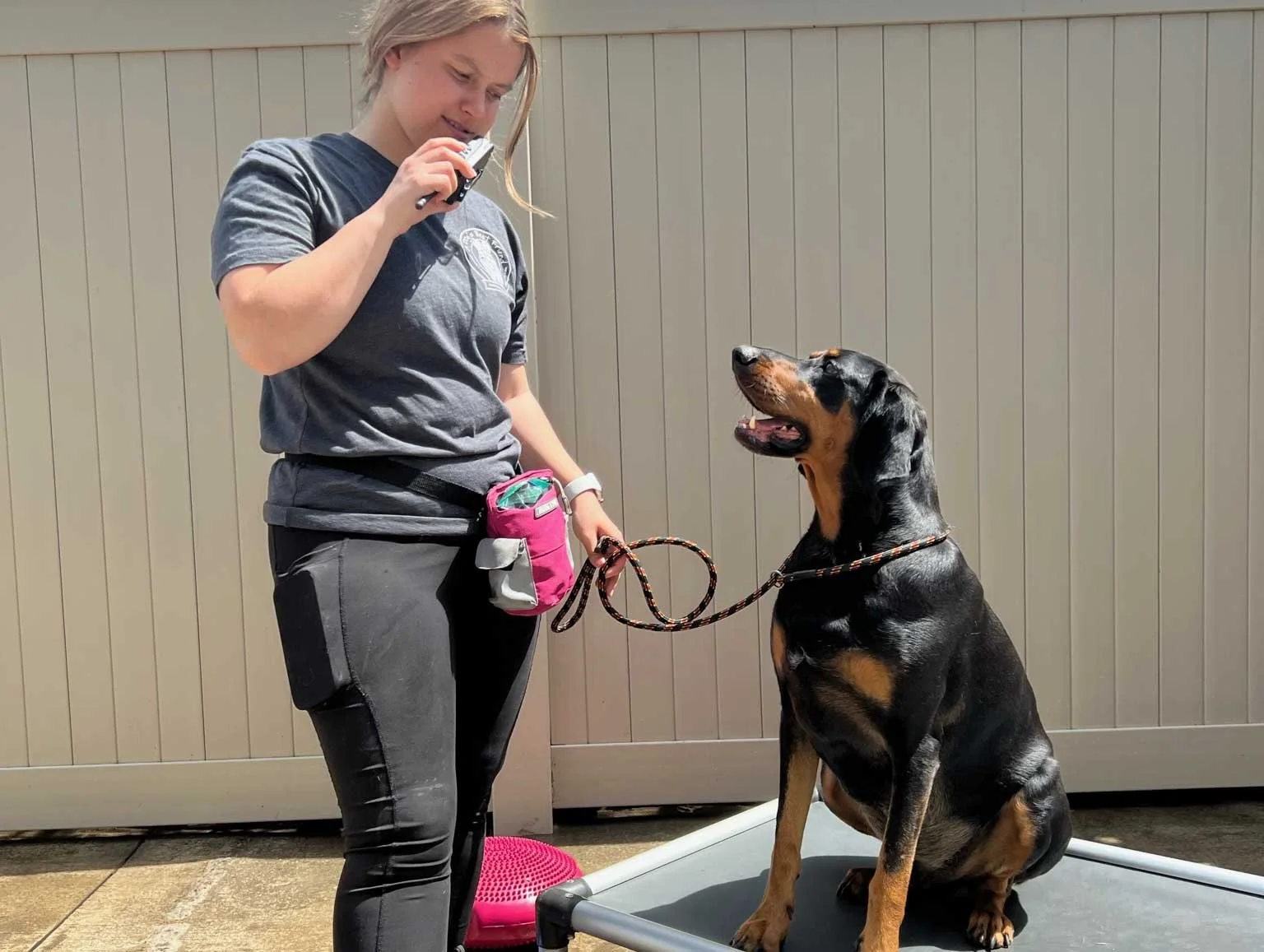
Dog Training Education Awareness Month is an invitation to start—or restart—training at any age. You don’t need hours a day or advanced skills. Even a few minutes of focused practice can make a difference. Choose patience over pressure, progress over perfection, and connection over commands.
Here’s why training an older dog works—and why it’s worth doing:
1. Dogs never stop learning
As long as a dog is healthy enough to participate, their brain remains capable of learning. Training provides mental stimulation that helps keep senior dogs sharp, engaged, and confident. Just like people, dogs need mental stimulation to stay sharp and confident as they age. Learning new cues, practicing familiar skills, or mastering simple tricks provides valuable brain exercise. This mental engagement can help reduce boredom, anxiety, and even slow age-related cognitive decline. For senior dogs, training can be a key part of maintaining a happy, enriched life.
2. Training improves behavior at any stage
Behavior improvement is another major reason to train older dogs. Common challenges such as pulling on leash, jumping, barking, or reactivity are not permanent traits, they’re often habits formed over time. With consistent, positive reinforcement training, these behaviors can be reshaped. Training gives older dogs clarity about what’s expected of them, reducing frustration and improving communication between dog and owner.
3. Older dogs often focus better
While puppies are busy discovering the world, mature dogs tend to have longer attention spans and better self-control. They’re calmer, more focused, and often eager to engage with their people. This makes training sessions more productive and enjoyable than many owners expect.
4. Training strengthens your bond
For older dogs—especially rescues or dogs experiencing life changes—training builds trust and confidence. Positive reinforcement helps them feel successful and understood, deepening your relationship.
5. Training should be adjusted, not avoided
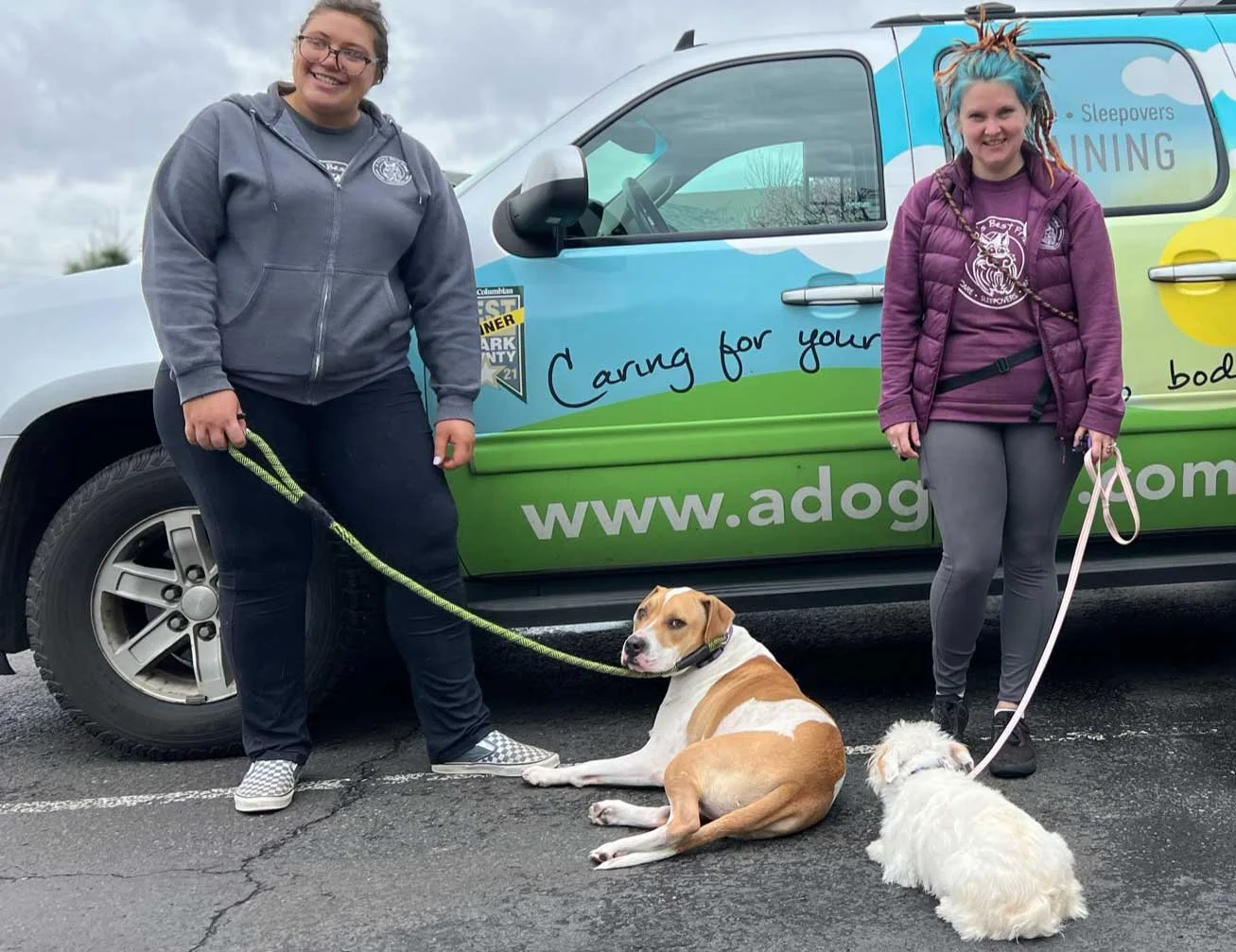
Training also supports physical health when approached thoughtfully. Gentle movement during training helps maintain mobility, balance, and coordination. Sessions can be adapted to meet a dog’s physical needs by keeping them short, using low-impact exercises, and prioritizing comfort. The goal isn’t perfection or intensity—it’s participation and success.
What to keep in mind:
Use positive reinforcement (treats, praise, play)
Keep sessions short and upbeat
Be consistent and patient
Celebrate small wins
Whether your dog is 7, 10, or 14 years old, training can enrich their life, and yours. Training an older dog is an act of love. It honors who they are now while helping them navigate the world with confidence and calm. This month, let go of the myth and embrace the truth: it’s never too late to train your dog. And the rewards are worth it.